ddl books · 2026 · one of 500
Stone, Fruit and Name
From Crete to Ayvalık: a short history of the olive coast
Levent Yılmaz
A quince, a city and a tree
Kydonia on Crete was written on clay in the Bronze Age. The Greek word for the quince came centuries later, and from Anatolia. Ayvalık, “the place of quinces”, stands in the homeland of the fruit’s own name.
This short book follows the olive and its names around the Aegean: from lava and limestone to the oil ledgers and stirrup jars of Crete, across the sea to the Anatolian shore, and into the rise and unmaking of Kydonies, the town that became Ayvalık.
A popular history of one stretch of sea, told in six parts: Stone, Fruit, Script, The Sea Between, Names and The Town. It reads the olive coast from the ground up, from the rocks of the Aegean to the clay tablets of Crete and the streets of Kydonies, and keeps to what the ground and the record can show.
Where the evidence falls silent, the book says so.
One of five hundred numbered copies, made for the ddl olive Christmas box, 2026.
The object
- Format
- 13 × 19 cm, 64 pages, French flaps.
- Binding
- Thread-sewn. Spine left unlettered.
- Paper
- Munken Print Cream 18, 100 g.
- Publisher
- ddl books, 2026. Made for the box; not sold separately.
The author
Levent Yılmaz is a historian. He has been professor of history at İstanbul Bilgi, Koç and Bilkent universities and at Université Paris Nanterre, and directed AKMED, Koç University’s research centre for Mediterranean civilisations in Antalya.
The painter
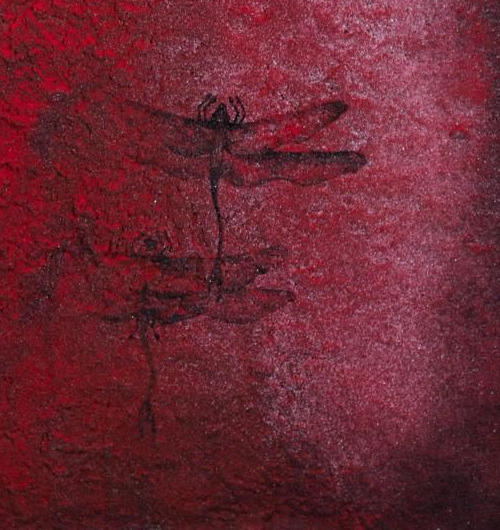
Elvan Alpay is a painter. She studied in the studio of Hüsamettin Koçan at Marmara University’s Faculty of Fine Arts (1990; MA 1992) and continued her research at the Salzburg Academy. She won the Grand Prize of the Beijing Biennial in 2006 and works in her studios in Istanbul and Ayvalık. The cover shows a detail of one of her paintings; she signed and numbered this box.
Her works of 2021–2025 are collected in Pánta Rheî (Sevil Dolmacı Books). Studio and works: elvanalpay.com.